

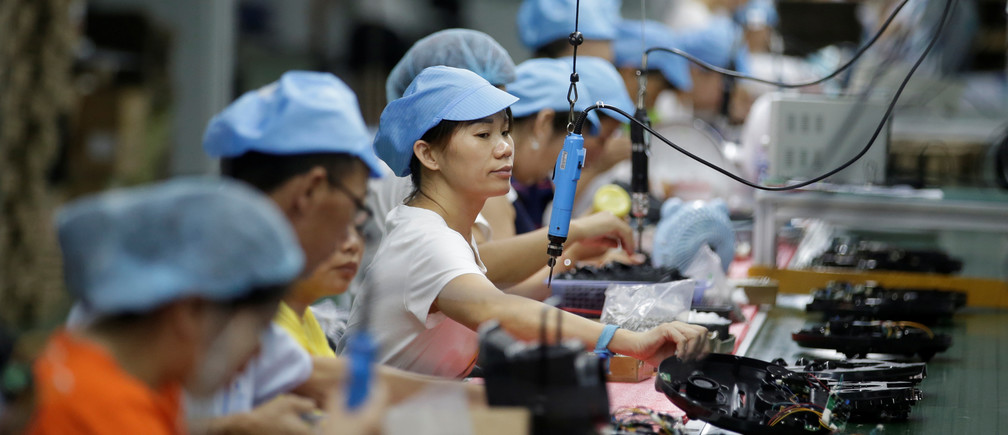
China’s dominance in the global manufacturing sector is no accident. With a blend of cheap labor, robust infrastructure, and government policies that support industrial growth, China has become the “world’s factory.” However, as labor costs rise and trade tensions with countries like the U.S. intensify, China is evolving its manufacturing landscape by shifting toward higher-tech industries and automation.
Key Elements of China’s Manufacturing Success:
- Cost-Effective Production: Cheap labor was once China’s greatest asset, but increasing wages are pushing companies to invest in automation and move production to lower-cost regions within China or to Southeast Asia.
- Massive Infrastructure Investment: China’s world-class infrastructure, including vast networks of highways, ports, and power plants, has made it a global leader in logistics.
- Government Support: Policies such as the “Made in China 2025” initiative aim to upgrade China’s manufacturing base by promoting advanced technologies like robotics, AI, and clean energy.
Challenges and Opportunities:
- Rising labor costs and environmental regulations are driving manufacturers to rethink production methods.
- China is focusing on smart factories, the internet of things (IoT), and advanced manufacturing techniques to retain its edge.
Despite challenges, China remains a manufacturing giant, but its future depends on its ability to transition to higher-value, technology-driven industries.