

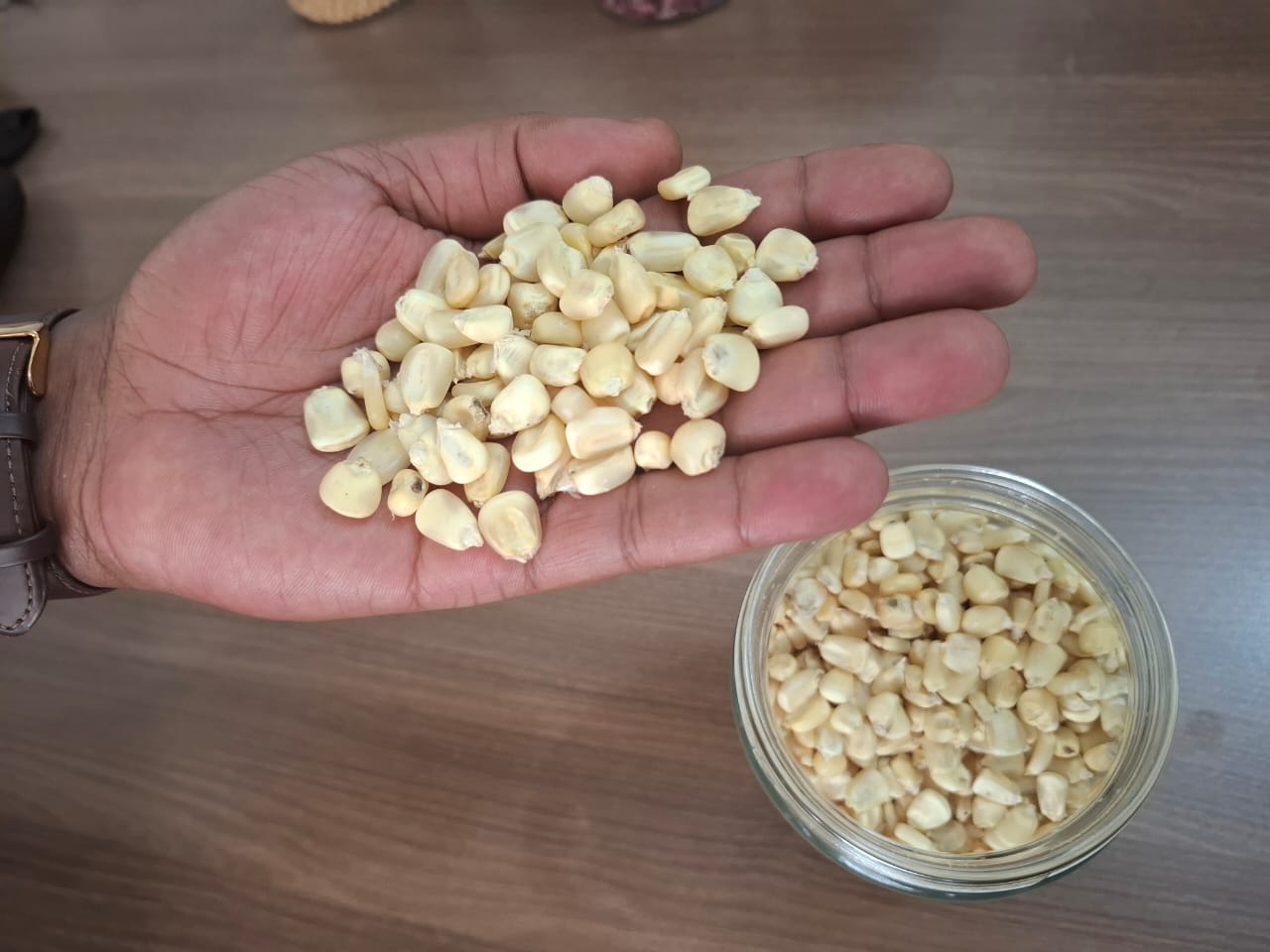
Agriculture is a vital sector in Tanzania, contributing approximately 25% of the country’s GDP and employing over 65% of the population. Tanzania is known for the production of crops like maize, coffee, rice, cashew nuts, and horticultural products. The government has launched several initiatives aimed at boosting agricultural productivity, including mechanization, irrigation expansion, and promoting agribusiness.
Key Elements of Agriculture in Tanzania:
- Diverse Crop Production: Tanzania produces a wide range of crops, with maize, rice, and sorghum being staple foods, while coffee, cotton, and cashew nuts serve as major export commodities.
- Government Support: The Tanzanian government has prioritized agriculture in its development plans, focusing on improving infrastructure, access to finance, and rural development through programs like the “Kilimo Kwanza” (Agriculture First) initiative.
- Agri-Investment Opportunities: Tanzania has a rapidly growing agribusiness sector, with opportunities in agro-processing, export-oriented farming, and value-added products.
Challenges and Opportunities:
- Infrastructure Development: Poor rural infrastructure, including roads and storage facilities, hampers market access and productivity. However, the government is investing in rural development to improve this.
- Climate and Water Management:Tanzania is vulnerable to climate change, which affects agricultural productivity through droughts and erratic rainfall. Investment in irrigation and climate-resilient crops is key to mitigating these challenges.
Tanzania’s agriculture sector has significant potential for growth, driven by government support, an expanding agribusiness sector, and opportunities in mechanization and value addition. However, infrastructure development and climate resilience will be key to unlocking its full potential.