

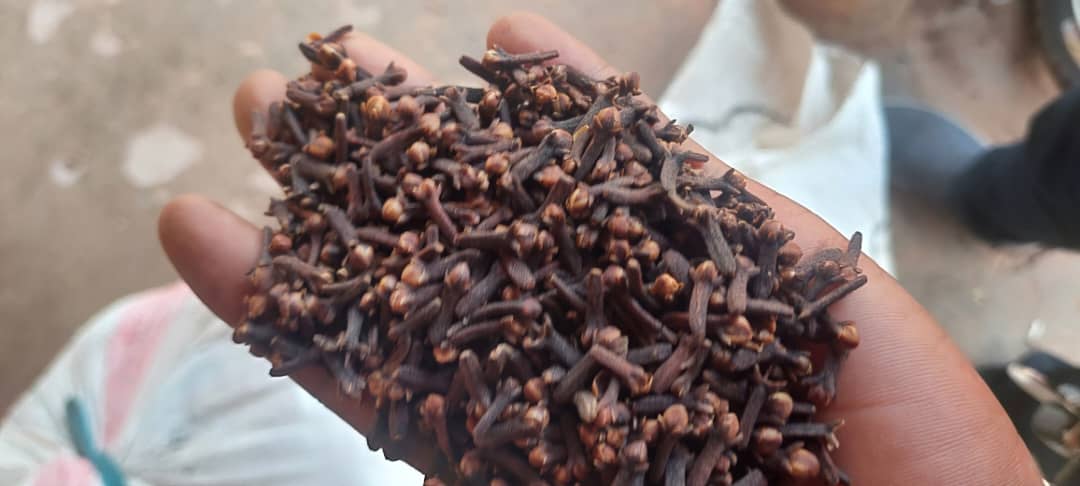
The East African Community (EAC) is one of Africa’s most dynamic economic blocs, comprising Kenya, Tanzania, Uganda, Rwanda, Burundi, and South Sudan. Agriculture is a key sector in the region, contributing significantly to GDP, employment, and foreign exchange earnings. The EAC is focused on improving food security, reducing poverty, and promoting economic growth through agricultural development.
Key Elements of Agriculture in the EAC:
High Agricultural Dependence: Agriculture employs about 70-80% of the population in the EAC, with key exports including coffee, tea, horticultural products, and fish.
Regional Cooperation: The EAC promotes regional collaboration in agricultural policies, research, and trade, aiming to harmonize standards and improve food security.
Focus on Value Addition: The EAC has made strides in agro-processing to add value to agricultural produce, thereby improving export competitiveness and local income generation.
Challenges and Opportunities
Market Access: EAC countries face challenges in accessing both regional and international markets due to non-tariff barriers, trade restrictions, and logistical issues.
Youth in Agriculture: The EAC is working to engage youth in modern agriculture by promoting agribusiness as a viable career, helping to address youth unemployment and foster innovation in the sector.
Agriculture remains central to the economies of EAC countries. Enhancing trade integration, encouraging agro-processing, and investing in youth involvement are key to driving regional agricultural development.